Empowering you with the truth about palm oil and sustainability.
What is Palm Oil?
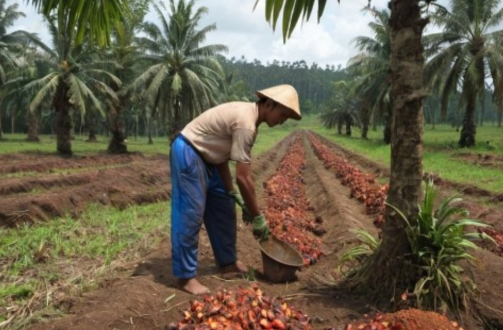
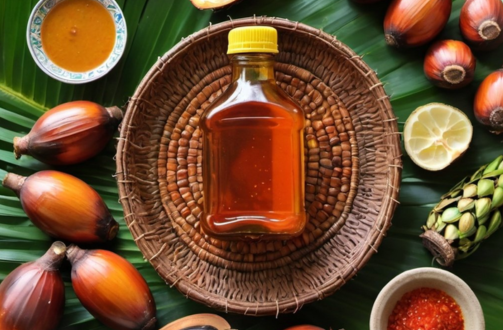
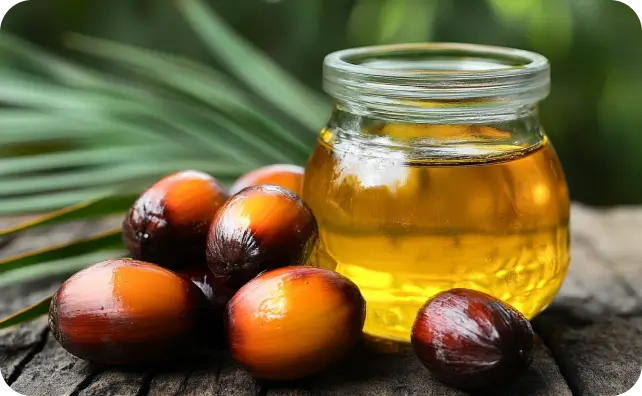
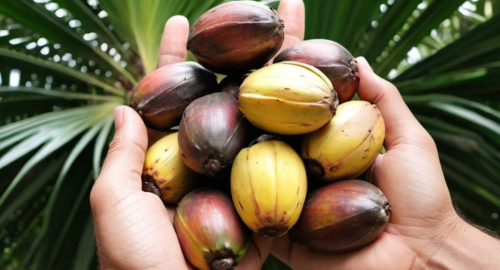
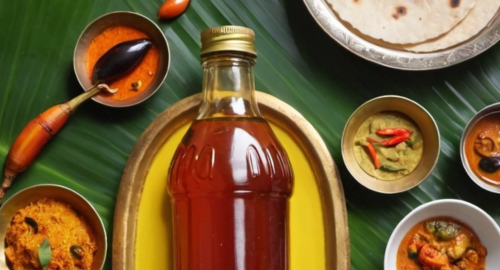
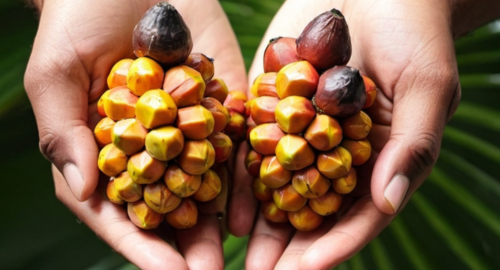
Palm oil is a type of edible vegetable oil derived from the fruit of the oil palm tree, primarily the African oil palm (Elaeis guineensis). It’s widely used in cooking, food processing, and various industrial applications due to its versatility, stability at high temperatures, and relatively low cost.
Palm oil is found in many everyday products, including margarine, snacks, baked goods, and even personal care items like soaps and cosmetics. However, its production has raised significant environmental concerns, primarily related to deforestation, habitat destruction, and the displacement of indigenous communities, especially in countries like Indonesia and Malaysia, where most palm oil is produced.
Efforts to promote sustainable palm oil production are ongoing, with an aim to establish standards that help minimize environmental and social impacts.
Sustainability Efforts
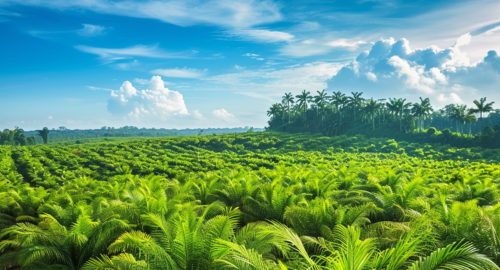
The extensive use of Palm oil in food products, cosmetics, industrial applications, and biofuels has resulted in a global rise of palm oil. Rapid expansion of palm oil production has lead to environmental challenges, including deforestation and habitat loss. In response, the Indonesian Association of Palm oil (IPOA) is promoting sustainability by encouraging member companies to adopt good governance practices and work toward sustainable development goals. Let’s look at the sustainability initiatives undertaken by the Indonesian Palm oil Association (IPOA):
Sustainable Palm oil for a Greener Future
With the Indonesian Sustainable Palm oil (ISPO) certification, over 5 million hectares of plantations are now certified, meeting the environmental and social standards. This shift is paving the way for eco-friendly practices thereby reducing deforestation.
ISPO Certification
Introduced in 2011, ISPO certification is making a difference. It holds palm oil producers accountable, promoting responsible farming methods. By 2023, millions of hectares in Indonesia have been certified, showcasing a real commitment to sustainable growth while safeguarding natural resources.
Deforestation to Reforestation
Sustainable practices focus on reducing habitat loss and encouraging reforestation. This approach protects biodiversity, especially endangered species, while allowing palm oil to remain a key economic factor.
IPOA: Leading the Sustainability Charge
The Indonesian Association of Palm Oil (IPOA) is central to the sustainability mission. By promoting good governance and green practices, they help member companies align with global sustainability standards. Their work ensures that palm oil production balances economic success with environmental care.
Protecting Biodiversity
The push for sustainable palm oil production goes hand in hand with protecting wildlife habitats. In partnership with environmental groups, Indonesia’s palm oil industry is actively working to protect endangered species. They strive to minimize ecological footprints, proving that palm oil and biodiversity can coexist.
Balancing Economic Growth and Environmental Care
Indonesia’s palm oil industry is a major economic force. But today, it’s more than about profit. Sustainable palm oil ensures that economic benefits do not come at the expense of the environment, striking a balance between growth and ecological responsibility.
Collaboration for a Sustainable Future
Partnerships between governments, industry leaders, and NGOs are driving change. These collaborations ensure that the palm oil industry evolves to meet global sustainability expectations while preserving local ecosystems.
Global Standards, Local Impact
International scrutiny, particularly from major markets like India, pushes the industry to continuously innovate and adhere to strict environmental and social standards.
Innovation in Sustainability
Technological advancements in sustainable farming practices and stricter environmental policies are helping Indonesia remain a global leader. These innovations ensure that palm oil can be both profitable and eco-conscious.
Towards a Carbon-Neutral Palm Oil Industry
Efforts are underway to reduce the carbon footprint of palm oil production. Through energy-efficient technologies, better land management, and reduced deforestation, Indonesia aims to create a carbon-neutral industry, leading by example in global sustainability efforts.
About GAPKI
A brief introduction to GAPKI, emphasizing its role in promoting
sustainable palm oil practices.
Debunking Common Myths
Myth: Palm oil is inherently bad for health.
Fact: Palm oil contains beneficial nutrients like vitamins A and E, as well as antioxidants. When consumed in moderation, it can be part of a balanced diet. Scientific studies have indicated that palm oil’s tocotrienols can support brain health and potentially reduce the risk of certain chronic diseases.
Myth: Palm oil production is the leading cause of deforestation.
Fact: While deforestation has been a concern in the past, many palm oil producers now follow sustainable practices. These efforts promote responsible palm oil production that avoids deforestation.
Myth: Switching to other vegetable oils is a more sustainable option.
Fact: Palm oil is one of the most efficient oil crops, yielding up to ten times more oil per hectare compared to other crops. Replacing palm oil with alternatives would require more land, potentially increasing deforestation.
Myth: Palm oil plantations only harm biodiversity.
Fact: Sustainable palm oil plantations implement practices that minimize environmental impact, including preserving areas of high conservation value and supporting biodiversity. Certification bodies ensure these standards are met.
Myth: Palm oil is unsafe for cooking.
Fact: Palm oil is stable at high temperatures and is widely used in cooking due to its high smoke point. It retains its nutritional value when heated, making it a versatile ingredient in various cuisines.
Myth: All palm oil is harvested using unethical practices.
Fact: Many palm oil producers adhere to ethical labor standards, ensuring fair wages and working conditions. Certification bodies like RSPO and audits help maintain these ethical practices by enforcing fair wages and safe working conditions across the industry.
Myth: Palm oil is only used in food products.
Fact: Palm oil is a versatile ingredient used in various products, including cosmetics, cleaning products, and biofuels. Its versatility and efficiency make it a valuable resource in multiple industries.
Myth: Palm oil contains harmful trans fats.
Fact: Palm oil is naturally free from trans fats. It is a healthier alternative to partially hydrogenated oils, which contain trans fats known to increase the risk of heart disease.
Myth: Palm oil production only benefits large corporations.
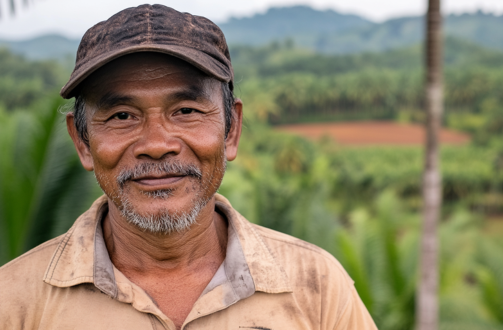
Fact: Smallholder farmers are a significant part of the palm oil supply chain. Efforts are in place to support these farmers through training and access to markets, improving their socio-economic conditions.
Myth: Palm oil plantations replace all types of forests indiscriminately.
Fact: Sustainable palm oil cultivation focuses on using degraded land or areas that do not involve high biodiversity forests. Policies and regulations are being enforced to prevent the clearing of primary forests.
Make Informed Choices
When shopping for products, consider choosing those made with sustainably sourced palm oil. By supporting practices that protect rainforests, wildlife, and local communities, you can reduce the environmental impact of palm oil production. Opting for these products encourages companies to adopt ethical sourcing methods.
Your choices can help create a demand for sustainability, driving positive change in the industry and fostering a healthier planet for future generations.